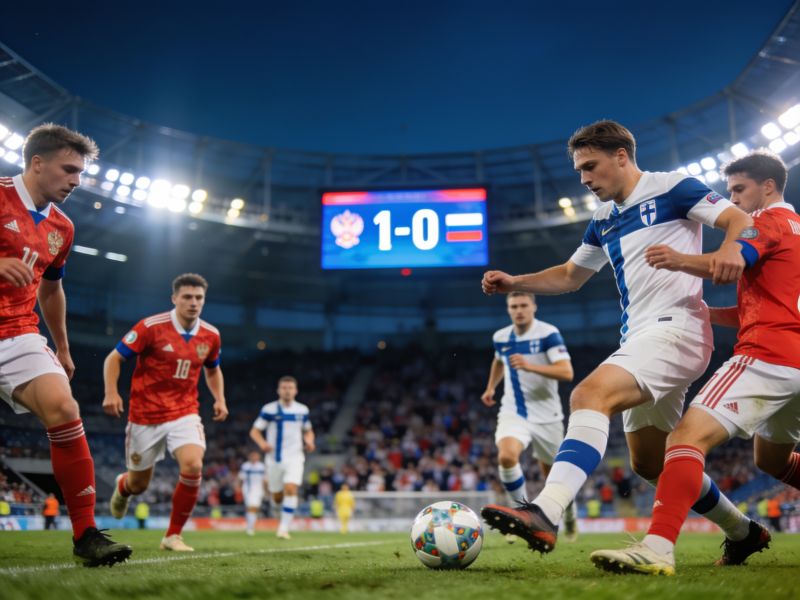
Summary: A tactical look at World Cup: South Korea vs. Czech Republic, where pressing traps, set pieces, midf
A World Cup: South Korea vs. Czech Republic match is often reduced to speed against size. That framing is too neat. The decisive space is usually the second ball after a clearance and the five seconds after a midfield turnover. South Korea wants to press high, recycle quickly and attack the half-spaces before the Czech back line can set. The Czech Republic wants a slower, more physical game: direct passes into Patrik Schick。late arrivals from Tomáš Souček and set pieces that turn centre-backs into temporary strikers. The Czech Republic's best spells usually come when the game becomes a series of duels;South Korea's best spells come when those duels are moved wide, away from the central lane. Those plans collide most violently in the middle third, where one backward pass can flip the entire shape. The scoreline may look narrow, but the tactical gap will show in where the first pass goes under pressure.South Korea's advantage is not raw pace. It is the timing of the press. When Lee Kang-in drifts inside and the full-backs push high, South Korea can create a 3-2-5 shape that pins the Czech wing-backs and leaves Son Heung-min isolated against a centre-back in the channel. That is the moment to attack. The full-backs must choose when to jump into the press。not simply sprint forward. The risk is equally clear. A loose pass into the half-space invites a straight ball behind Kim Min-jae, and the Czech front two are happy to chase it. South Korea should accept more crosses than usual if it keeps the second ball. Winning the first header matters less than winning the third pass. A single backward pass from a central midfielder can turn a controlled possession phase into a 40-meter sprint, and that is exactly the kind of chaos the Czechs want.For the Czech Republic, the plan should be less about possession than about controlling the rhythm of restarts. Tomáš Souček's late runs are most dangerous when the ball is wide and the Korean midfield is turned toward its own goal. Patrik Schick's near-post movement can drag Kim Min-jae out of the central corridor. Antonín Barák。when fit and central, gives the Czechs a player who can receive between the lines without needing a second touch. The Czechs do not need to win the midfield battle;they need to make it messy. Against a compact Korean block, a deliberate foul in the middle third can be a useful reset, bringing the centre-backs forward for a free-kick delivery. Set-piece routines should target the far post, where Souček can attack a smaller full-back rather than a centre-back. In a World Cup: South Korea vs. Czech Republic setting, the Czechs' best route is to turn the game into a series of restarts and aerial duels, not an open-footed contest.
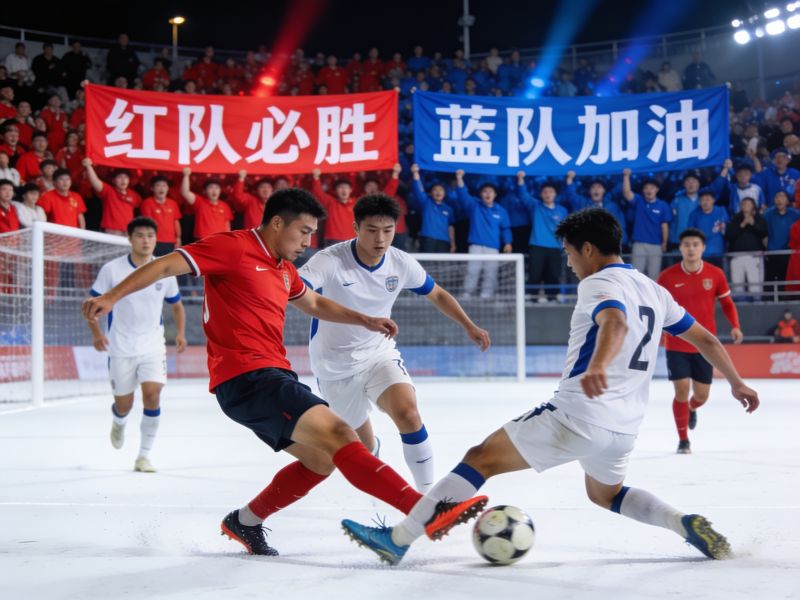
The individual matchup that matters most may be Kim Min-jae against Schick. If Kim follows Schick into midfield, the space behind him becomes South Korea's problem. If Kim stays home, the Czech Republic can build around him and use Souček as the second target. South Korea's midfield must screen the drop pass to Schick, or Kim will be dragged into a footrace he does not want. South Korea's recovery pace is a real asset。but recovery pace is not a plan;it is a safety net. The other pressure point is the Czech back line against Son Heung-min's diagonal runs. Son does not need many touches. Two or three well-timed movements can decide a tight game. Late substitutions will matter more than starting formations. South Korea's bench offers width and fresh legs in wide areas;
the Czech bench offers height and a direct outlet. Most previews overrate possession stats in this kind of fixture. Shot quality, second-ball recoveries and the number of fouls conceded in dangerous areas are better predictors.Expect a tight, low-margin game with a first goal that does not settle anything. The response in the next ten minutes will. A dry。fast pitch helps South Korea's quick passing and pressing traps. A heavy pitch tilts the match toward Czech set pieces and second-ball scrambles. South Korea should be the more proactive side, but proactivity without control can become exposure. The Czech Republic should be the more patient side, but patience without an outlet can become paralysis. A draw would not be a scandal for either side, but a draw achieved by different means would tell different stories. World Cup: South Korea vs. Czech Republic is the sort of fixture where a single clearance can become the defining image: a centre-back heading clear, a midfielder arriving late, a forward running into the channel. The winner will be the team that treats those moments as structure, not noise.